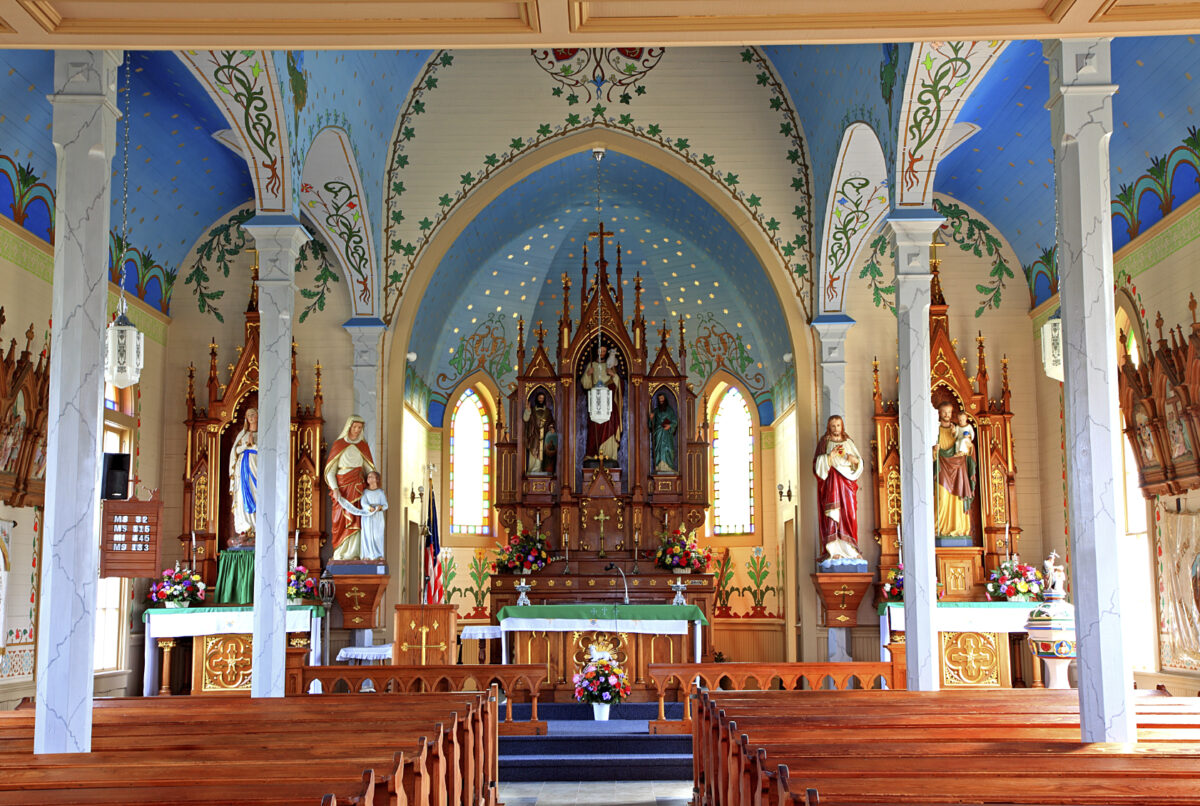
THE SCARS OF FIDELITY: A CHRONICLE OF THE LIVING CHURCH IN CHINA (1992–2026)

By a Historian and Ethicist in China

I. The Genesis of a Witness

My journey with Christ began in early 1992. I am a child of the era of St. John Paul II, a pontificate defined by the courage to “Be Not Afraid.” My faith was not formed in the comfort of official cathedrals, but through the lived witness of the Underground community. The bishops and priests who baptized and mentored me were men whose moral authority was forged in the fire of the imprisonment. To understand the Church in China today, one must understand that for us, holiness is not a title; it is a scar. The scars of imprisonment are the most authentic ‘seals of apostolic succession.’ A bishop’s integrity (Canon 378) is not proven in diplomatic banquets, but in the fidelity maintained under the shadow of the Cross. Imprisonment is the supreme “audit” of a bishop’s character. A shepherd who has suffered for the Truth cannot be bought; a shepherd who has been broken for Christ cannot be corrupted by diplomatic expediency.

The Underground Church is not a separate sect; it is the spiritual lung of the entire Chinese Catholic body. Even those in the ‘official’ structures recognize this moral primacy by channeling their resources and formation to the Underground.

II. The “Broken Skull” of Xiwanzi: A Testimony of the Flesh

In the historic Diocese of Xiwanzi, the integrity of the priesthood is written in blood. I recall a specific priest whose story remains a searing indictment of secular attempts to break the Church. This priest was subjected to brutal torture in prison. During a particularly violent interrogation, his skull was fractured, and he fell into a profound coma. For days, he lay in a hospital bed, a “living martyr” suspended between this world and the next. When he miraculously regained consciousness, his first act was not to lament his suffering or seek a compromise for safety. Instead, he whispered a reaffirmation of his unshakable fidelity to the Successor of Peter. This is the “Gold of the Church”—a sanctity that survives the furnace. When the faithful see such a man, they see the True Shepherd.

III. The Secret Communion: Ground-Level Realities

The diplomatic narrative of a “divided Church” fails to capture the profound spiritual unity at the grassroots.

 * The Mother’s Rebuked Son: I once counseled an “Official” priest who was in deep distress. His mother, a devoted member of the Underground, had rebuked him for what she perceived as a betrayal of the faith. He asked me how to serve Christ in such a fractured reality. I told him: “Gold shines wherever it is; stay and witness for Christ within the official structure.” He took this to heart and now holds a position of high responsibility, yet his spiritual roots remain nourished by the integrity of the Underground.

 * The Silent Support: I have witnessed “Official” priests secretly tithing to the Underground, and “Official” seminaries providing clandestine resources to those in the “catacombs.” Except for a few political extremists, the clergy are brothers. The Underground is the moral compass that prevents the Official Church from losing its soul.

IV. The Desolation of Zhangjiakou and the Tragedy of Xinxiang

Where the state-driven “Administrative Mergers” have been forced upon the faithful, spiritual desolation follows.

 * The Empty Pews: In the newly merged Zhangjiakou, the spiritual heritage of Xiwanzi and Xuanhua is being erased. The faithful feel betrayed; they have lost trust in the retired bishops who acquiesced to the merger. Today, the newly built cathedral hosted by the two retired bishops is nearly empty. For daily Mass, the participants are only 20 to 30 to attend their Mass. For Sunday Mass, 40 to 50. 

 * The Exile of the Saintly: In Xinxiang, the beloved Bishop Zhang Weizhu has been marginalized. His “crime” was the whole faithful in his diocese deem him as a saint. In a tragic inversion of ecclesiastical order, the very priest who had been excommunicated by Bishop Zhang Weizhu for his moral and disciplinary failings is now being promoted as a new bishop of Xinxiang diocese.

IV. The Existential Threat: The Risk of “Anglicanization”

If the Underground Church is allowed to vanish, replaced by a hierarchy prioritized by political compliance over moral sanctity, the Church in China faces the peril of “Anglicanization.” We risk creating a nationalized entity that retains the outward symbols of Catholicism but lacks the inward essence of Petrine Primacy. A church managed by “careerists” who fear the State more than God will eventually cease to be the Catholic Church.

V. Conclusion: The Silence that Speaks

The pews are empty not because the people have lost their faith, but because they are protecting it. They are waiting for shepherds who smell of the sheep—and of the prison—not of diplomatic compromise. As a historian, I record these facts so that the Successor of Peter may hear the silence of the Zhangjiakou Cathedral. It is a silence that speaks louder than any official report.

The implementation of the Provisional Agreement must not become a mechanism for “bad money to drive out good.” We implore the Holy See to return to the strict rigor of Canon 378. Do not replace saintly confessors with opportunistic “men of the world.”

In the spirit of the Chinese Martyrs, we remind the Successor of Peter: The Church is built on the blood of those who said “No” to the world so they could say “Yes” to Christ. Let this be the standard for every bishop appointed in our land.

Excommunication: Fr. Li Jianlin

Official Communication from the Diocese of Xinxiang

To the beloved faithful of the Diocese of Xinxiang:

I, Bishop Zhang Weizhu, entrusted by the Representative of Jesus Christ to shepherd the People of God in Xinxiang, send you my sincere greetings and heartfelt blessings in the Lord.

Since my appointment by the Holy Father in February 1998 to succeed Bishop Zhang Huaixin as the Apostolic Administrator of Xinxiang, I have sought to govern this local Church in obedience to the Successor of Peter. However, the Church on earth is a Church militant, often facing dark forces that exploit human weakness to undermine the Apostolic Hierarchy established by Christ.

The Case of Fr. Li Jianlin:

The Diocese has suffered from grave acts of disobedience. Initially, Fr. Zhang Junxiang, unlawfully claiming the title of “Administrator,” issued illicit letters of dimissorial to ordain Fr. Li Jianlin. Fr. Li then failed to establish a legitimate canonical affiliation and proceeded to unlawfully establish a religious congregation and send seminarians to study—powers reserved exclusively to the Diocesan Bishop.

Despite numerous attempts at fraternal correction and letters from the Holy See urging his unconditional obedience, Fr. Li Jianlin has remained obstinate. He continues to:

1. Administer Sacraments Illicitly and Invalidly: He performs baptisms and witnesses marriages without canonical faculty.

2. Usurp the Power of the Keys: He hears confessions and attempts to grant absolution despite having no faculty to absolve sins, thereby endangering the eternal salvation of the faithful.

3. Acts of Schism: He operates independently of the Diocesan Bishop, spreading subversion among the faithful and disrupting the pastoral order.

Decree of Censure:

For the glory of God and the preservation of the sacred order, I, as the Bishop of Xinxiang, must impose the following penalties to curb these scandals:

1. Excommunication: Fr. Li Jianlin is hereby placed under formal Excommunication (Excommunicatio).

2. Prohibition of Sacraments: All clergy and faithful are strictly forbidden to have any sacramental communion with him (except in danger of death).

3. Status of Groups: The religious groups established by him are not recognized by the Church. Any seminarian wishing to serve in Xinxiang must submit to the authority of the legitimate Bishop.

May the faithful remain steadfast in the faith and witness to the unity of the Church.

Signed,

† Bishop Zhang Weizhu

Bishop of Xinxiang

July 16, 2011

中华圣人奠

中华圣人大多是殉道者。他们把自己的血祭献给了天主,他们用自己的血在中华大地播下了信仰的种子。他们为我们祖先所信奉的天主而死,但从某种意义上说,他们也在为悖逆我们祖先所信奉的天主的中国人做补赎。他们的英勇行为是中国人的英勇行为,是每个中国人的骄傲。

纪念中华圣人,从来不是默想他们受难的惨状,更不是记恨那些加害他们的人,而是感恩他们圣化了这片养育华夏儿女五千年的土地。他们的大爱,势必会使天主眷顾这片土地上的每一个人。中华圣人瞻礼是个喜庆的节日。

基于同样道理,传播福音的主角,永远是那些曾为教会受迫害、受磨难的兄弟姐妹。他们默默地替我们忍受了一切,替我们做了因我们的懦弱而不敢做的事。从历史角度看,他们是国家的忠臣。忠臣常常不被人所理解,甚至会受到迫害,但他们仍然坚持去完成利国利民的使命。

奸佞误国,这是历史的教训。所以,那些认为只有对政府歌功颂德才能传播福音的教内人士,恐怕他们还不太了解他们所信奉的天主。如果他们明明知道政府的某些政策有误而不善意提醒,那么我们不得不怀疑他们的动机。他们是盼政府早点垮台,还是想谋取私利?

天主不只是天主教徒的天主,也是每个中国人的天主,还是当今执政者的天主。从这个角度来看,中梵协议是在天主引领下促成的。它使教会与政府默契配合,共同为民创造福祉成为可能。

教会的使命之一就是为国家培养忠臣。他们能从国家的大局着想,向执政者提出中肯的建议。

教会的责任是唤起人们的良知;主张宽容;宣讲传统美德;引导人与人彼此相爱,彼此信任;维护家庭和睦;倡导勤奋,拒绝懒惰和贪图物质享受;激励民众团结一致,共同为国家效力。

从世界各国政治实践看,并不存在最佳政治制度。国家能否兴旺,民能否安居乐业,只关乎人的道德素质和人的良心。所以,只有政府、教会、民众同舟共济,秉持传统美德,国家才有更好的未来。

中华圣人,为我等祈!

Religious Officials’ Perspectives on Vatican–China Relations

The signing of the agreement between the Vatican and China marked a significant shift in Church–State relations, ending a long-standing period of hostility. However, this diplomatic breakthrough has had mixed consequences for local religious affairs officials, many of whom now find themselves uncertain about their roles and responsibilities.

Previously, these officials were tasked with monitoring and reporting on the activities of clergy. Since the agreement, however, the central government has shown less interest in these reports, leading to a perceived reduction in the officials’ influence and purpose. For many, this has resulted in decreased morale. Yet, some officials have responded proactively, seeking alternative methods to maintain control over religious institutions. One such measure has been the enforcement of regulations prohibiting minors from entering churches—a policy that existed in principle but had rarely been implemented due to practical challenges.

Attitudes among religious affairs personnel vary widely. While some have adapted to the new direction, others continue to treat Church leaders with undue suspicion or hostility. In certain regions, parishes are still subjected to stringent oversight, often as a result of individual officials’ biases against the Catholic Church rather than any directive from higher authorities.

Despite these challenges, the Vatican–China agreement offers an important opportunity for collaboration. The case of the Qiqihar Diocese during the COVID-19 pandemic serves as a positive example. Local Catholics there became active volunteers, offering services to those in need—demonstrating the potential for the Church to contribute meaningfully to society.

To build on this progress, it is recommended that the central government issue updated guidelines to religious affairs officials. These should encourage cooperation with the Catholic Church in promoting social welfare. One practical initiative could be the establishment of church-based outreach offices aimed at supporting individuals who struggle not with material poverty or mental illness, but with a lack of direction and life purpose.

These individuals—though financially stable and mentally sound—often suffer from dissatisfaction rooted in misplaced values. The Church can help by fostering virtues such as empathy, family responsibility, selflessness, and community involvement.

Lastly, while some officials view the Vatican–China agreement as a threat to their professional relevance, a new, constructive framework would offer them the opportunity to remain engaged and impactful. By facilitating meaningful partnerships between the Church and broader society, religious affairs personnel can continue to play a vital role in the moral and cultural development of the nation.

教宗为何对川普的移民政策如此不满?

看到一个视频,教宗良十四世解释为何与万斯握手。他说是为遵循欧洲的礼节,不得已而为之,握手后他还耸了耸肩,以示无奈。视频还显示了万斯几次想跟先教宗方济各握手,都被他甩开了。

教宗良十四世强烈谴责了万斯的移民政策。视频播放了非法移民被赶出家园时的哭泣和绝望。

在美国出租房屋,租户交不起房租,是不能把他赶走的。因为那是他的家,不可侵犯,受美国法律保护。现在把人强行从家里赶走,既违宪,也侵犯人的尊严,亦不顾忌将来他们靠什么生存。

美国离我们太远,我们也许无法感同身受。讲讲国内的例子吧。当年北京清理低端人口。诚然这些所谓的“低端人口”不合京俗,把北京搞得脏乱差,可是,北京已成了他们赖以为生的地方,把他们赶出北京,他们将如何生活?欠考虑。有的村庄被房地产开发商占用,农民从此失去了维持生计的耕地,我看到过他们的绝望。强行拆迁又是一例,他们在那里居住,周边的环境尚可养家糊口,把他们赶走,犹如断了他们的生计。一些走投无路的住户被逼到跟拆迁队拼命。

美国的驱赶移民,与上述例子差不多。人的尊严不可践踏,保护家庭的责任不可忽视。教宗的义怒正在于此。

教宗反对在墨西哥边境建墙,也是有历史渊源的。当年美国侵占了墨西哥大片领土,好意思不让墨西哥人回家吗?美国政府自知理亏,移民局在美墨边境执法是比较宽松的,无意完全杜绝难民进入,只是控制难民的数量。现在川普在美墨边境建墙,旨在杜绝难民进入,失去了美国政府往日的仁慈。

拉丁语中表达“爱”的六个词

Caritas(古希腊语Ἀγάπη)的意思就是爱。格林多前书13:4-7是这样定义这个爱的:

爱是含忍的,爱是慈祥的,爱不嫉妒,不夸张,不自大,不作无礼的事,不求己益,不动怒,不图谋恶事,不以不义为乐,却与真理同乐:凡事包容,凡事相信,凡事盼望,凡事忍耐。

在讨论信、望、爱三德时,教会用Dilectio(古希腊语Ξενία)表示爱,与Caritas是一个意思,但Dilectio强调这种爱是存心的或有意的。为何是存心的?原来古时候人们都认为美德是好东西,都想拥有它。爱德是超性美德,当然更应该具备它。所以,这种爱是存心的。

家庭成员之间的爱用Pietas(古希腊语Στοργή)。对故土的爱也用Pietas。总之,跟你出生、血缘有关的,都用Pietas表示爱。理所当然地,对天主的爱用Pietas,因为灵魂是天主给的。

朋友之间的爱用Affectus(古希腊语Φιλία)。

恋人、夫妻之间的爱用Amor(古希腊语Ἔρως)。

Venus(古希腊语Ἀφροδίτη)是性爱。

值得注意的是,圣经中说“爱你的近人”,用的是Ἀγάπη (Caritas),显然是指邻里、同事等我们能接触到的普通人,而非亲友。

价值观之争

人们在分析世界大国间的较量时,往往只注重他们的物质利益,而忽略了他们对自己价值观的捍卫。不同的价值观确定了人们对自己生活方式和生活理念的坚持。比如保守人士,他们不能容忍政府禁止他们管教孩子,不能容忍政府宣扬家庭民主,不能容忍教育机构唆使孩子性开放,不能容忍鼓励青少年服用青春阻断剂而父母又不许干涉,不能容忍政府剥夺孩子孝敬父母的责任(赡养父母是孩子的责任,而不是政府的养老院),不能容忍政府忽略保护家庭的法律,不能容忍否定家庭的血缘关系,不能容忍会导致人类毁灭的生活方式,不能容忍宗教生活受到干扰。作为天主教徒,亦不能容忍神职人员在社会上受到歧视,不能容忍抑制教会发出出自良心的声音。

各国利益之争,可通过经济手段加以对抗,但为了维护自己的价值观,会不惜一战的。

早在一次世界大战爆发以前,教宗就发出警告,各国的价值观分歧越来越大,会引发世界大战的!结果一战尚嫌不足,再来二战。

当前的世界形势,从普京和特朗普不约而同地支持德国远右的AfD就可以看出,这两人势必会走到一起。特朗普这次上台,有明确的价值观取向。特朗普的就职典礼没有邀请德国总理朔尔茨和英国首相斯塔默,已显示出他对左翼的厌恶,而万斯在欧盟的发言,痛斥欧盟背离传统价值观,更显示出美国与欧盟分道扬镳的征兆。

泽连斯基并非不知外交礼节,他在白宫之所以粗鲁,是有难言之隐的。俄乌原本相安无事,偏偏欧美左翼在乌克兰搞颜色革命,扶持左翼政党上台,此举尚嫌不足,继而唆使乌克兰仇俄:推行乌克兰语,禁俄语,歧视俄罗斯族,鼓励乌克兰人从俄罗斯东正教中分离出来,成立乌克兰东正教……

俄罗斯感受到了威胁,收回俄罗斯族占绝大多数的克里米亚,这是个重要出海口。

乌东的俄罗斯族不堪其辱,成立地方武装,与乌克兰政府对抗,然有败无胜。此时俄罗斯仍无意出兵。可欧美左翼得寸进尺,要拉乌克兰入北约,致使俄罗斯入侵乌克兰(特朗普否认这是入侵)。

欧美左翼向乌克兰提供武器是他们分内的事,因为这一切灾难都是他们挑起的。泽连斯基当然理直气壮,索要武器,要求保护。他可能真的以为欧美都遵循左翼制定的所谓普世价值观,不知有相当多的人在认真捍卫传统价值观。所以他在美国的遭遇令他大感意外。

北约会取代美国继续向乌克兰提供武器,但这可能导致美国退出北约,而北约向来受美国保护,几乎没有什么国防开支,现在要重启军工,增加装备,势必会使本国经济雪上加霜。特朗普也会打击欧盟经济,因为民在穷困潦倒的时候,往往会选择右翼。

在这场左右翼冲突中,中国是局外人。美国国务卿鲁比奥已明确表态,中国不是美国的敌人,不会与中国直接冲突,要有对抗,也只是大国间的贸易战,技术封锁之类。

王阳明的“要命学”

常听人讲起王阳明的心学,其实他没写过心学,他的传世之作为《传习录》、《阳明全书》(即《王文成公全书》)和《大学问》。

《王文成公全书》中的这段话最难理解:

“我的灵明,便是天地鬼神的主宰。天没有我的灵明,谁去仰他高?地没有我的灵明,谁去俯他深?鬼神没有我的灵明,谁去辨他吉凶灾祥?天地鬼神万物离去我的灵明,便没有天地鬼神万物了。我的灵明离却天地鬼神万物,亦没有我的灵明。如此,便是一气流通的,如何与他间隔得!」又问:「天地鬼神万物,千古见在,何没了我的灵明,便俱无了?」曰:「今看死的人,他这些精灵游散了,他的天地万物尚在何处?」”

这段话看上去是荒谬的,万物不可能因人的死而消亡,王阳明必知此理。可是,我们如何论证此说的合理性呢?

首先看他如何论述良知:

“人的良知,就是草木瓦石的良知。若草木瓦石无人的良知,不可以为草木瓦石矣。岂惟草木瓦石为然,天地无人的良知,亦不可为天地矣。盖天地万物与人原是一体,其发窍之最精处,是人心一点灵明。风、雨、露、雷、日、月、星、辰、禽、兽、草、木、山、川、土、石,与人原只一体。”

良知是什么?王阳明在谈论朱子(朱熹)的“格物”后,得出结论:“吾心之良知,即所谓天理也”。

天理当然存在于万物中,既然良知就是天理,因此也可说,良知存在于万物中。这话听起来别扭,但要知道,王阳明是在研究人的良心。

以前介绍过,天理就是天道。道成万物。道成的万物自然有天理。

人的良知当然也是从天道而来。“一阴一阳之谓道,继之者善也”《易经・系辞上》。也就是说,人的善或良知是从天主那里继承过来的。(自己去看孟子和朱子的推理好吧)

“何谓心身之灵明?主宰之谓也”;“盖天地万物与人原是一体,其发窍之最精处,是人心一点灵明”;“吾身自能为善而去恶乎?必其灵明主宰者欲为善而去恶,然后其形体运用者始能为善而去恶也。”

从上述论述似乎可以看出:

  1. 灵明具有天主的神性
  2. 人的良心含有天主的神性
  3. 人无法主动去恶,需要良心欲为之。

根据上下文,“灵明主宰者”的意思应为“主宰人心的灵明”,而非灵明之主宰者。

好啦,经过上述论证,《王文成公全书》中的那句话好理解了吧?倘若没有天主的神性,尚有万物否?

王阳明的其它论述:

1. 此心無私欲之蔽,即是天理。

2. 此心若無人欲,純是天理。

3. 未雜於人謂之道心,道心即天理。

4. 天命之性,粹然至善。

我觉得古人对天主了解到这个程度已经很了不起了。他们手边又没圣经。

新年祝福

大年过完了,聊聊心愿吧:愿人心向善。

或说:“我对人善了,谁对我善啊?”这就是不善。行善本来就不应求回报。

三年疫情防控结束,不知有没有人反思?那些平时老实巴交的人,一旦管你……领教了吧?所以,国出遁吏,乃民之大幸,出恶吏才是正常现象。吏均出于民,民不善,何盼吏善?

再说制度。从小就被告知,美国的制度是世界上最好的。可谁能想到,三权可以通过私利捆绑在一起。美国还有司法公正吗?选举作弊,证据确凿,法院就判它有效。美国人谁敢公开说选举作弊?人不善,十全分立也没用。

更说精神鸦片。菲律宾穷人,星期天乘公交去教堂,美国人看着诧异,说:“你们穷得都有上顿没下顿了,干嘛还花钱去教堂?”穷人说,人不只靠粮食活着。菲律宾贫富差距极大,但没有人仇富。首先他们有精神食粮,自得其乐,其次富人撒钱上瘾,何来仇富?我原来所属堂区,有两个富人区,神父要求本堂区的孩子必须上学,直至完成大学学业。家庭困难是吧?富人区的人出钱。我们经常在教堂看穷人们拍的视频,因富人的慷慨解囊,他们的生活发生了怎样的变化,以示感谢。我现在住的城市,富人区多,我们区不属于本市教区管辖,划归另一城市,让那里的穷人受益。

菲律宾是天主教国家,都抽精神鸦片。菲律宾的幸福指数[按开心度算,不按社会福利、人均收入算],总是在第一,第三之内。前三个都是天主教国家,精神鸦片的重灾区。

或说,有神无神对立。那只是理论上的对立,日常生活中存在此对立吗?有好几个天主教国家的执政党,都是社会主义政党。老百姓不期望政府能带来什么精神食粮,能把经济搞上去就行。

以前说,教宗若望保禄二世对东欧变天起了很大作用。这都是西方媒体的宣传。我查阅了很多史料,没发现。若望保禄二世在波兰任宗主教期间,与GCD政府的关系默契得很。有一个事实是,东欧变天以前,教堂里的人是满的;变天后,去教堂的人不到一半。若望保禄二世难道没有事先预计到?连中国天主教会正式出版的《海外教会文摘》都提到,若望保禄二世最怕的是东欧人受西方世俗化的影响。现在,中国抵制西方自由化,估计教宗方济各在偷着乐。

民若只知物质,便相信追求物质、名利是人生的终极目标。与过去相比,民已经很富裕了,但是,你有豪车,凭什么我没豪车?你有别墅,凭什么我没别墅?想“先天下之忧而忧,后天下之乐而乐”,人说你是傻x,崇尚“人生自古谁无死,留取丹心照汗青”,人说你喝多了。抽几口精神鸦片,看淡现世享乐,反而去为国为民做牺牲,看不出对政府有什么坏处。细思之。

历史上的包公

狸猫换太子、铡美案当然都是虚构的。倘若真有陈世美案,包公当然要上报皇帝,毕竟是皇帝家事嘛。但对陈世美来说,结果是一样的,欺君之罪不说,没人愿意把女儿嫁给杀妻犯。公主若是对陈世美依依不舍,他会死得更快。换上我也会这么做,速斩陈世美,让女儿断了念想。但是,生活中果然会有这种事吗?当然不会,那时又不是一夫一妻制喽。通常的做法是,公主为正房,原配退居侧房。这正房与侧房可是天壤之别。侧房要向正房问安的,礼节上都要凸显正房的尊贵。汉朝有位名臣,皇帝十分赏识,要把公主嫁给他,反而让此臣为难了。与原配相爱多年,让她退居侧房吧,于心不忍,让公主居侧房吧,公主哪肯。于是,索性拒之,传为佳话。皇帝当然也很赏识他的为人。